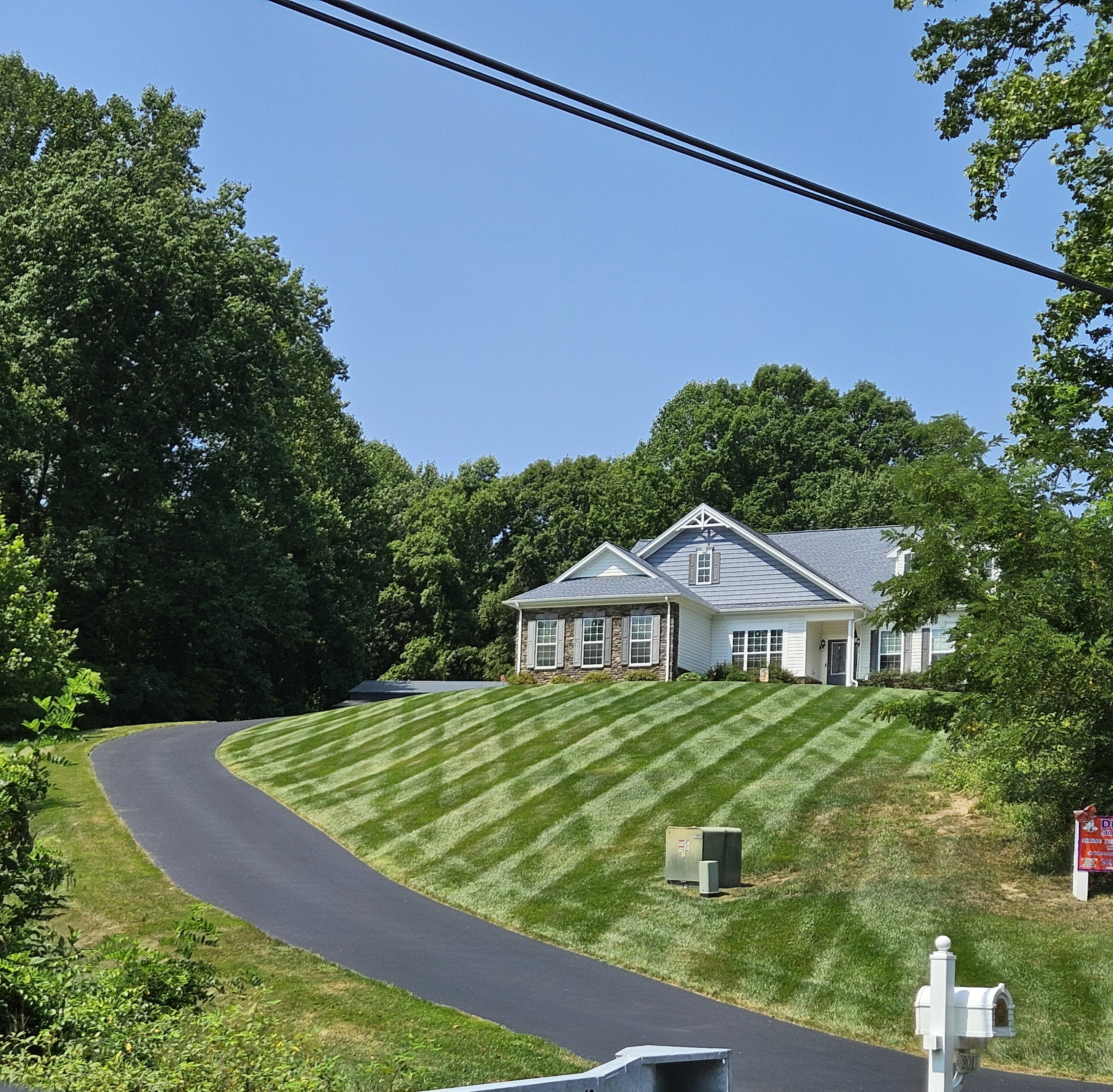
Seamless Transitions: Blending Natural and Architectural Elements in Landscaping May 28, 2026
To begin with, understanding the core principles of landscape design is crucial. A well-balanced space incorporates both hardscaping elements, such as patios and pathways, and natural features like plants and water fixtures. The key is to ensure that these components complement rather than compete with one another. By thoughtfully selecting materials and plants that harmonize with the existing architecture, a unified look can be achieved.
The strategic use of hardscaping is essential in creating connections between the building and its environment. Elements such as stone walls, wooden decks, and pavers not only provide structure and functionality but also introduce texture and contrast. When choosing materials, it's important to consider their color, texture, and durability. For example, using locally sourced stone can help create a natural connection with the surrounding landscape.
Plants, on the other hand, play a vital role in softening the hard lines of architecture. Native plants are particularly effective as they are well adapted to the local climate and soil conditions, ensuring sustainability. Consider layering plants of varying heights and textures to create visual interest and depth. Ornamental grasses, shrubs, and flowering plants can add bursts of color and seasonal variety, making the landscape dynamic and engaging throughout the year.
Another practical approach is incorporating water features that mirror natural ecosystems. Ponds, streams, and fountains can introduce a calming auditory element, as well as attract wildlife, thereby enhancing the natural appeal of the space. When positioned strategically, water features can also draw the eye towards particular vistas or outdoor rooms, inviting exploration and relaxation.
Functionality should never be sacrificed for beauty. Ensuring that pathways are intuitive and lighting is properly planned for safety enhances usability without detracting from aesthetic goals. Subtle lighting can highlight architectural details and create enchanting nighttime landscapes, making your outdoor space usable even when the sun goes down.
Additionally, the integration of sustainable practices is becoming increasingly important. Utilizing permeable pavers allows rainwater to seep back into the ground, reducing runoff and replenishing groundwater supplies. Similarly, designing with the environment in mind, such as incorporating xeriscaping principles, can significantly reduce water consumption while maintaining a lush appearance.
In conclusion, the art of seamlessly blending natural and architectural elements in landscaping is a balance of science and creativity. By considering the interplay between hardscaping and natural elements, and factoring in functionality and sustainability, exceptional outdoor spaces can be crafted. At Sam I AM Property Solutions, we pride ourselves on our ability to create landscapes that not only fulfill our clients' visions but also enhance their connection to nature. Whether it’s a tranquil garden or a functional outdoor entertainment area, the integration of these elements is essential for an inspiring and enduring landscape.
/filters:no_upscale()/filters:format(webp)/media/3e21e9b0-c246-4331-b66f-a55809e591bf.jpeg)